
This conference aims to create a platform for dialogue, research and action in Latin America and the Caribbean that promotes just socio-ecological transitions based on planetary boundaries, regeneration and the construction of a new humanism.
The conference will reflect the identity and intellectual tradition of the Club of Rome, based on three pillars:
Of strategic thinking
in the region
Thought leaders from across Latin America and the Caribbean
Developing a common vision to tackle contemporary crises
Latin America and the Caribbean are going through a period marked by multiple interconnected crises—environmental, economic, social, cultural, and political—that challenge democratic stability, social cohesion, and environmental sustainability.
However, the region also possesses extraordinary potential: it is one of the most biodiverse territories on the planet, heir to ancestral cultures, deep community knowledge, and strategic reserves for global transition.
The event will be a hybrid of a high-level forum, academic presentation, and spaces for regional collaboration and coordination between thought and action.
April
08:45April
09:15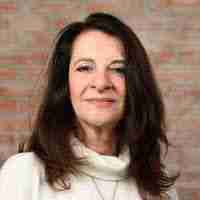
Co President, The Club of Rome
Co President, The Club of Rome
Silvia Zimmermann del Castillo is an Argentinean writer, philosopher and international lecturer. She was a disciple and collaborator of the Argentine writer Jorge Luis Borges with whom she studied ancient Anglo-Saxon and Icelandic literatures. She studied Social and Cultural Anthropology at the École Pratiques des Hautes Études, La Sorbonne, Paris and Philosophy at the University of Buenos Aires.
Currently, she is a columnist for the newspaper La Nación, writing for the Opinion and Cultural Supplement sections. She co-directed the Watershed Conference on Water at the Vatican in 2017. She coordinates “Dialogues in Paradise“ at the Mokichi Okada Art Museum, Japan: face-to-face meetings between personalities of culture, art and science from various countries of the East and West to discuss art issues, culture and society.She is the International Director of the Mokichi Okada Chair on Beauty at the University of Bologna, Italy, andthe founder and current President of the Argentinean Chapter of the Club of Rome.
In 1983, she was selected as an outstanding woman of the national history by the Dictionary of Argentinean Women. She has been distinguished as Ambassador of Peace, by the International Foundation Thousand Millennia of Peace.
Secretary General, The Club of Rome
Secretary General, The Club of Rome
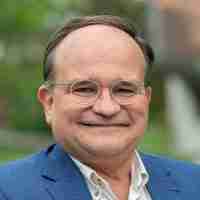
Carlos Alvarez-Pereira promotes research and action for a paradigm shift towards wellbeing in harmony with the biosphere. Upon a background in systems dynamics and complexity theory, he explores the reframing of science, technology and digitalization to address the existential challenges of humanity.
His professional experience spans 25 years as entrepreneur in IT consulting in Spain, Switzerland, France, and Germany. He has been a lecturer and researcher in Applied Mathematics at the Polytechnic University of Madrid (UPM). He created in 2006 the Innaxis Foundation to promote interdisciplinary research in complex systems. Carlos is Secretary General to the Club of Rome International and of its Spanish Chapter. He has also served two terms as Vice-President of the Spanish Fulbright Alumni Association.
April
09:30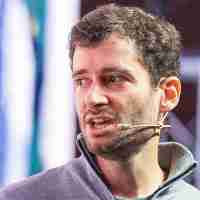
Executive Director, Club de Roma Argentina
Executive Director, Club de Roma Argentina
Gonzalo David Lot del Castillo holds a bachelor’s degree in Political Science. He is the Executive Director of the Argentine Chapter of the Club of Rome and the Center for Sustainability for Local Governments (CeSus). He is a member of La Ciudad Posible (a certified B Corporation), and co-founder of Micelio Bio (a biotechnological company dedicated to the design and implementation of circular models of fungal food production). He serves as the Co-director of the Circular Economy Laboratory at the National University of Rafaela (UNRaf) and the Diploma in Ecosystemic Development and Circular Economy (UCAECE and UNRaf). Gonzalo David Lot del Castilloworks as a consultant for national and international public and private organisations and is a regular contributor to the Argentine newspaper La Nación.
April
09:35April
09:40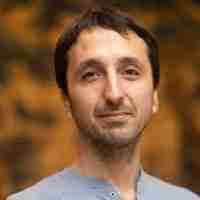
Principal Investigator at CONICET and Director of the Institute of Research on Natural Resources, Agroecology and Development (UNRN), CONICET - Universidad Nacional de Río Negro
Principal Investigator at CONICET and Director of the Institute of Research on Natural Resources, Agroecology and Development (UNRN), CONICET - Universidad Nacional de Río Negro
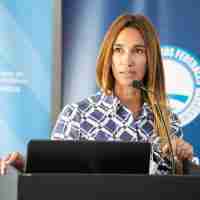
Ph.D. in Biological Sciences. Specialist in Urban Ecology, Climate Change, and Water Resources Management.,
Ph.D. in Biological Sciences. Specialist in Urban Ecology, Climate Change, and Water Resources Management.,
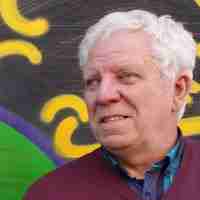
Investigator, Latin American Center for Social Ecology (CLAES)
Investigator, Latin American Center for Social Ecology (CLAES)
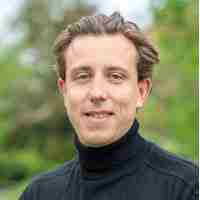
Director (Content & Programmes), The Club of Rome
Director (Content & Programmes), The Club of Rome
Till Kellerhoff is Director of Content & Programmes at the Club of Rome and a published author specializing in systems change, political economy, and socio-ecological transformation. He contributes to shaping the Club's programmatic work and serves as Director of Earth4All, a global initiative developed with leading economists and scientists to accelerate a just and sustainable future. Till is co-author of Tax the Rich (2024) and Earth4All Deutschland (2024), a SPIEGEL bestseller.
April
10:45April
11:00KEYNOTE
This keynote proposes to rethink the cultural, epistemological and economic foundations of development from the concept of environmental rationality to pave the way for a civilisational transition in Latin America.
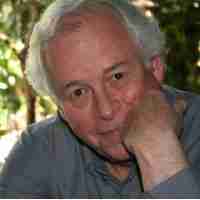
Emeritus Researcher at the Institute of Social Research and Professor at the Faculty of Political and Social Sciences of the UNAM., Universidad Nacional Autónoma de México
Emeritus Researcher at the Institute of Social Research and Professor at the Faculty of Political and Social Sciences of the UNAM., Universidad Nacional Autónoma de México
Enrique Leff is a distinguished Mexican sociologist and economist, Emeritus Researcher at the National Autonomous University of Mexico (UNAM) and a member of the National System of Researchers. With doctorates in Development Economics and Philosophy of Science, he is a leading figure in Political Ecology, Ecological Economics, and Latin American Environmental Thought. He coordinated the UNEP Environmental Training Network for Latin America and the Caribbean for over 20 years. He has published more than 35 books, including *Environmental Knowledge* and *Environmental Rationality*, and has been awarded multiple honorary doctorates for his academic and international career.
April
11:30Debate the ethical and conceptual frameworks necessary to address the polycrisis, introducing the idea of a new humanism that reconfigures the relationship between society, economy, and living systems.
Moderator: Gonzalo del Castillo
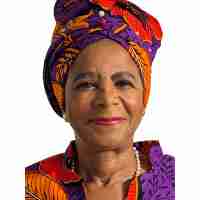
Honorary President, The Club of Rome
Honorary President, The Club of Rome
Dr. Mamphela Ramphele has had a celebrated career as an activist, medical doctor, academic, businesswoman and thought leader.
Dr Ramphele was co-founder of The Black Consciousness Movement with Steve Biko that reignited the struggle for freedom in South Africa. She is co-founder of ReimagineSA , honorary president of The Club of Rome , Chair at the Desmond Tutu IP Trust Commissioner The Global Commission of the Economics of Water and a member of the Planetary Guardians
She has received numerous national and international awards acknowledging her scholarship and leading role in promoting the empowerment of women, youth and other oppressed people in South Africa and globally.
She is the author of several books and publications on socio-economic issues in South Africa.
Executive Director, Club de Roma Argentina
Executive Director, Club de Roma Argentina
Gonzalo David Lot del Castillo holds a bachelor’s degree in Political Science. He is the Executive Director of the Argentine Chapter of the Club of Rome and the Center for Sustainability for Local Governments (CeSus). He is a member of La Ciudad Posible (a certified B Corporation), and co-founder of Micelio Bio (a biotechnological company dedicated to the design and implementation of circular models of fungal food production). He serves as the Co-director of the Circular Economy Laboratory at the National University of Rafaela (UNRaf) and the Diploma in Ecosystemic Development and Circular Economy (UCAECE and UNRaf). Gonzalo David Lot del Castilloworks as a consultant for national and international public and private organisations and is a regular contributor to the Argentine newspaper La Nación.
Emeritus Researcher at the Institute of Social Research and Professor at the Faculty of Political and Social Sciences of the UNAM., Universidad Nacional Autónoma de México
Emeritus Researcher at the Institute of Social Research and Professor at the Faculty of Political and Social Sciences of the UNAM., Universidad Nacional Autónoma de México
Enrique Leff is a distinguished Mexican sociologist and economist, Emeritus Researcher at the National Autonomous University of Mexico (UNAM) and a member of the National System of Researchers. With doctorates in Development Economics and Philosophy of Science, he is a leading figure in Political Ecology, Ecological Economics, and Latin American Environmental Thought. He coordinated the UNEP Environmental Training Network for Latin America and the Caribbean for over 20 years. He has published more than 35 books, including *Environmental Knowledge* and *Environmental Rationality*, and has been awarded multiple honorary doctorates for his academic and international career.
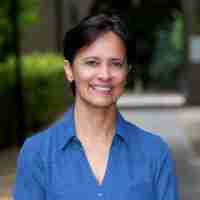
Executive Director, Earth Charter International
Executive Director, Earth Charter International
Executive Director, Earth Charter International and the Center for Education for Sustainable Development at UPEACE. Coordinator UNESCO Chair on Education for Sustainable Development with the Earth Charter. Prior to her work with the Earth Charter, Mirian worked for the United Nations Conference on Environment and Development (UNCED) for two years in preparation of the 1992 UN Earth Summit and a year at the United Nations Conference on Trade and Development (UNCTAD). Mirian holds a PhD. in Education from LaSalle University and a Master´s Degree in Public Administration from the Harvard Kennedy School of Government. She is originally from Brazil.

Andean researcher and producer ,
Andean researcher and producer ,
She integrates science, biodiversity, and ancestral knowledge. Her work focuses on food systems, agrobiodiversity, and local knowledge. A leading figure in the dialogue between science and Indigenous cultures.
April
12:30April
14:00This session presents a scientific and institutional diagnosis of the polycrisis in Latin America, identifying the main risks, capacities and structural challenges of the region.
Moderator: Carlos Alvarez Pereira
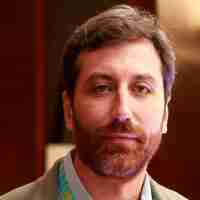
Coordinator of the Science, Technology and Society Observatory of the OEI, Organización de Estados Iberoamericanos
Coordinator of the Science, Technology and Society Observatory of the OEI, Organización de Estados Iberoamericanos
Doctor of Social Sciences and Bachelor of Social Communication. Specialized in topics related to the production, management, and analysis of scientific, technological, and innovation information. He currently serves as Coordinator of the Ibero-American Observatory of Science, Technology, and Society of the OEI and as Coordinator of Cooperation and Innovation at the OEI office in Argentina.
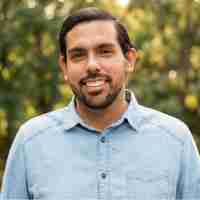
Three Cairns Fellow, Yale School of Environment
Three Cairns Fellow, Yale School of Environment
Carlo Angeles works at the intersection of biodiversity, governance, and economic innovation, designing institutional and investment architectures for regenerative development and climate action. He has contributed to the World Economic Forum and the Andean Parliament, where his work helped shape the Amazon Emergency Declaration. He is Director of Impact at C Minds, an Inaugural Fellow of the Science Panel for the Amazon, a member of Peru’s National Climate Change Commission, and a Board Member of the International Youth Foundation. During his Yale Three Cairns Fellowship, he developed “Nature as Critical Infrastructure,” reframing ecosystems as foundations of economic stability, institutional legitimacy, and long-term resilience.
Secretary General, The Club of Rome
Secretary General, The Club of Rome
Carlos Alvarez-Pereira promotes research and action for a paradigm shift towards wellbeing in harmony with the biosphere. Upon a background in systems dynamics and complexity theory, he explores the reframing of science, technology and digitalization to address the existential challenges of humanity.
His professional experience spans 25 years as entrepreneur in IT consulting in Spain, Switzerland, France, and Germany. He has been a lecturer and researcher in Applied Mathematics at the Polytechnic University of Madrid (UPM). He created in 2006 the Innaxis Foundation to promote interdisciplinary research in complex systems. Carlos is Secretary General to the Club of Rome International and of its Spanish Chapter. He has also served two terms as Vice-President of the Spanish Fulbright Alumni Association.
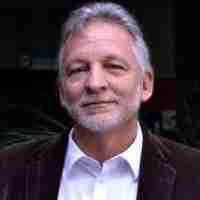
Rector, University for International Cooperation
Rector, University for International Cooperation
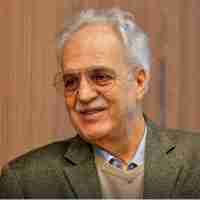
Co-chair, Scientific Panel for the Amazon
Co-chair, Scientific Panel for the Amazon
Carlos Nobre is a scientist renowned for his work on biosphere-atmosphere interactions and the climate-ecological impacts of Amazonian deforestation and global warming, with a particular focus on the risk of “savannization” of this biome. Carlos holds a Ph.D. in Meteorology from the Massachusetts Institute of Technology (MIT) in the United States and has worked for over 35 years at Brazil’s National Institute for Space Research (INPE). He has been instrumental in establishing several research institutions in Brazil, including the Brazilian Center for Weather Forecasting and Climate Studies (CPTEC), the Center for Earth System Sciences (CCST), and the National Center for Monitoring and Early Warning of Natural Disasters (CEMADEN).
He is currently a senior scientist at the Institute of Advanced Studies at the University of São Paulo and leads the so-called Amazonia 4.0 project, a science-based initiative to develop a “standing forest bioeconomy for the Amazon.” He is the author or co-author of more than 250 scientific articles, book chapters, and books and has received several scientific awards. Carlos is one of the co-chairs of the Scientific Panel for the Amazon (SPA) and a member of the SPA’s Scientific Steering Committee.
April
15:00Examining the possible socio-ecological transition trajectories in the region, considering the institutional, economic and social changes necessary to move towards regenerative development models centered on the role of youth.
Moderator: Matias Lara

President, CLADEA (Consejo Latinoamericano de Escuelas de Administración)
President, CLADEA (Consejo Latinoamericano de Escuelas de Administración)
President of CLADEA (Latin American Council of Management Schools), an international organization that brings together 290 universities from 35 countries across five continents. She is a Member of the Board of IAJBS (International Association of Jesuit Business Schools), Member of the International Board of CENTRUM Business School – Pontificia Universidad Católica del Perú, Board Member of Junior Achievement Córdoba (former President), and Member of Fundación E+E. She is Co-Founder of Unnivers World Class Education, a Boston-based think-lab that connects universities, governments, and investment funds to measure the impact of higher education institutions on their territories in terms of talent development, internationalization, economic growth, competitiveness, regional development, sustainability, and equity. Former General Director of ICDA Business School – Universidad Católica de Córdoba, Former President of Junior Achievement Córdoba, Founding Partner of Addventure – Angels Club, Former Member of the IAJU Task Force – Inspirational Paradigm of Jesuit Business Education, and Former Co-Director of Founder Institute Córdoba Chapter (Silicon Valley pre-accelerator). She holds a Bachelor’s degree in Economics from Universidad Nacional de Córdoba, a Master’s degree in Business Administration from Universidad Católica de Córdoba, and is currently a PhD candidate at Universitat Politècnica de València (Spain). She completed the Program for Management Development (PMD) at ESADE Business School and an Executive Program at Singularity University. She received the Businessperson of the Year Award 2022, was selected among the Best Executives 2022 – Manager of the Year category, nominated for the Globant Awards 2023 – Women That Build Edition (Inspiring Leader), and recognized as Outstanding Woman 2023 by Grupo Perfil, Punto a Punto, and Ocio. She is a postgraduate professor and consultant in economics, innovation, and technology startups, teaching in universities across Argentina, the United States, Mexico, and Latin America.
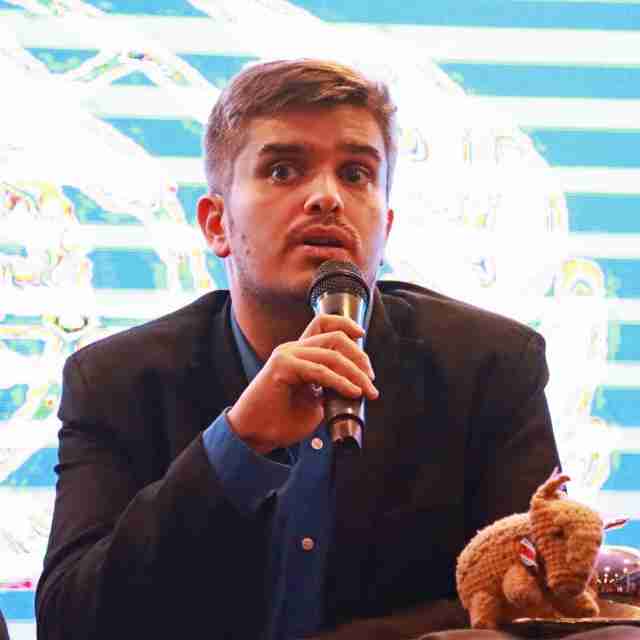
Co-Director, The 50 Percent
Co-Director, The 50 Percent
Matías specialises in youth leadership and systemic transformation. I have been working with young people for 15 years in various volunteer and team-building settings.
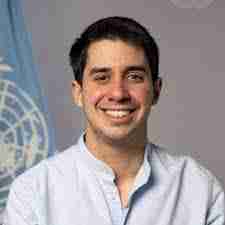
United Nations Assistant Secretary-General for Youth Affairs, United Nations Youth Office
United Nations Assistant Secretary-General for Youth Affairs, United Nations Youth Office
United Nations Assistant Secretary-General for Youth Affairs and Head of the United Nations Youth Office 🇺🇳. Medical Doctor specialized in Pediatrics & Master in Business Administration.
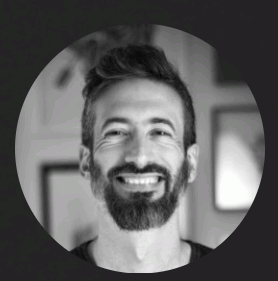
Facilitator, researcher, and co-director, PINE
Facilitator, researcher, and co-director, PINE
For the past 15 years, Victor leds projects in innovation, regenerative leadership, new economies, and transformative education, working across Latin America and beyond with leaders, companies, governments, universities, and international organizations, alongside some of the most inspiring people in these fields. Victor is a facilitator, TEDx speaker, and Ambassador for the Wellbeing Economy Alliance, and I’ve co-founded initiatives such as: PINE (Platform for the Introduction to New Economics) and the Diplomatura en Nuevas Economías with the prestigious National University of Córdoba; Orilla Futuro (a podcast exploring where transformation is emerging); Futuros Posibles (an international gathering for inspiration, learning, and action); Espacio Abasto (a lab for open innovation and urban transformation); El Gran Giro (a documentary series in development about the metacrisis and the great transition).
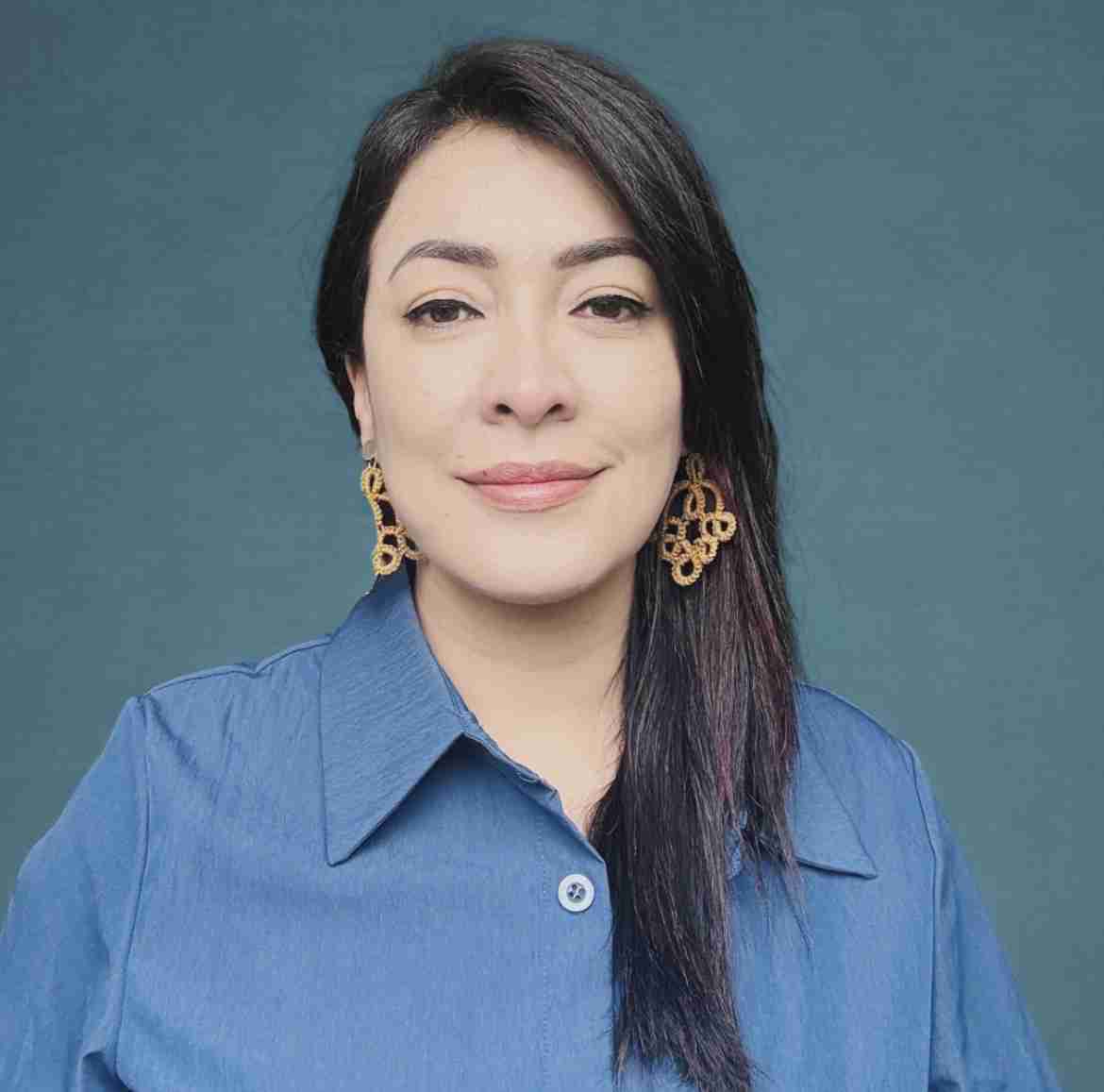
Social entrepreneur and Director of Ashoka Andean Region, Ashoka/Bioectur/LowCarbonCity
Social entrepreneur and Director of Ashoka Andean Region, Ashoka/Bioectur/LowCarbonCity
Juliana Gutiérrez is a transdisciplinary leader committed to advancing collective well-being and regenerating both social and natural ecosystems. She is a doctoral candidate in Philosophy (Futures Studies) and director of Ashoka Andean Region, with 18 years of experience in systemic transitions in Latin America. She co-founded the Low Carbon City and Bioectur movements and is co-author of Regenerating Latin American Cities (2025).
April
16:00April
16:15Analysing how artificial intelligence can influence socio-ecological transitions, exploring its transformative potential and the dilemmas it poses in a context of global polycrisis.
Moderator: Jorge Vilas Diaz Colodrer
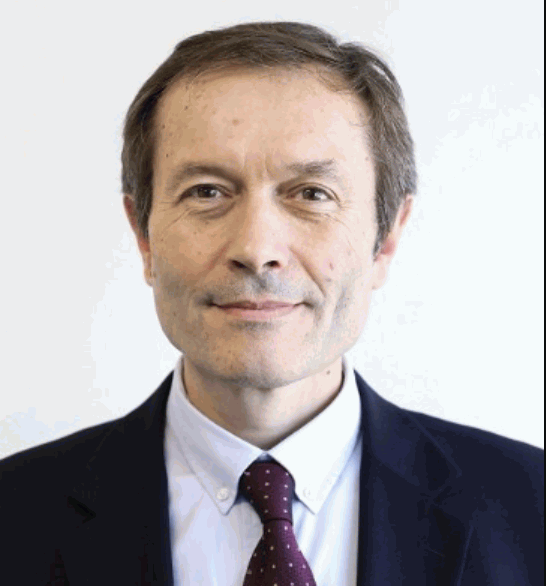
Investigator, Academia Pontificia de Ciencias
Investigator, Academia Pontificia de Ciencias
A research member of the Pontifical Academy of Sciences, where he specialises in the social and productive impact of artificial intelligence. He is a prominent Argentine lawyer and politician with extensive experience in public administration and international organizations.
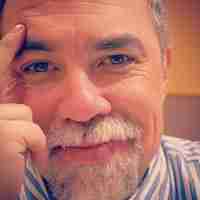
Director of the Diploma Program in AI and Government 5.0, School of Public Policy, Austral University
Director of the Diploma Program in AI and Government 5.0, School of Public Policy, Austral University
Jorge Vilas Díaz Colodrero is a lawyer (University of Buenos Aires), holds a Master's degree in Administrative Law and Public Policy from Austral University, where he is a doctoral candidate in Political Science. He is the Director of the Observatory on AI, Innovation, Society, and Government, and Director and Professor of the Diploma Program in AI and Government 5.0, which received the INARIA 2025 Award for its academic innovation. He is also CEO and Co-founder of DIPHOT S.A. and a Professor in the Master's Program in Public Policy at the School of Government of Austral University. In 2025, he was invited by the Pontifical Academy of Social Sciences of the Vatican and the University of Notre Dame as one of 40 global experts to participate in the seminar “Digital Rerum Novarum: Artificial Intelligence for Peace, Social Justice, and Integral Human Development.”
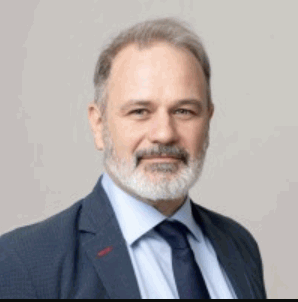
Co-founder and Head of Data Science, 7Puentes
Co-founder and Head of Data Science, 7Puentes
Argentine data scientist, professor, and entrepreneur, a leading figure in the field of Artificial Intelligence (AI) and Big Data. He is a founding partner and Scientific Director of 7Puentes, a consulting firm specializing in Data Engineering and Machine Learning solutions.
April
17:15Collectively synthesise what has been learned and translate it into strategic priorities.
Moderator: Gonzalo del Castillo
Executive Director, Club de Roma Argentina
Executive Director, Club de Roma Argentina
Gonzalo David Lot del Castillo holds a bachelor’s degree in Political Science. He is the Executive Director of the Argentine Chapter of the Club of Rome and the Center for Sustainability for Local Governments (CeSus). He is a member of La Ciudad Posible (a certified B Corporation), and co-founder of Micelio Bio (a biotechnological company dedicated to the design and implementation of circular models of fungal food production). He serves as the Co-director of the Circular Economy Laboratory at the National University of Rafaela (UNRaf) and the Diploma in Ecosystemic Development and Circular Economy (UCAECE and UNRaf). Gonzalo David Lot del Castilloworks as a consultant for national and international public and private organisations and is a regular contributor to the Argentine newspaper La Nación.
April
08:45April
09:15Keynote: Eduardo Gudynas
Exploring the concept of biodevelopment as a paradigm for reorganizing economies and societies in harmony with living systems, highlighting regenerative practices that integrate territory, knowledge, and well-being.
Investigator, Latin American Center for Social Ecology (CLAES)
Investigator, Latin American Center for Social Ecology (CLAES)
Eduardo Gudynas is a researcher at the Latin American Center for Social Ecology (CLAES) and a visiting researcher at the University of Granada (Spain). He specializes in the relationship between environment and development in Latin America. Among his most recent positions, he was a visiting researcher at the Institute for Advanced Studies at the University of Munich (Germany) and the first Latin American to hold the Arne Naess Chair in Ecology and Global Justice at the University of Oslo (Norway). He was a member of the Commission for the Economic Transformation of the 21st Century of the Club of Rome. His most recent books include an analysis of the current crisis in the Amazon (published in Colombia, Peru, and Peru) and a handbook on development alternatives (published in Colombia).
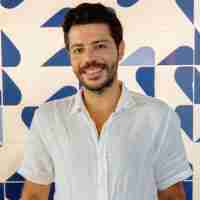
Global Program Manager and Brazil Lead, Open Society Foundations
Global Program Manager and Brazil Lead, Open Society Foundations
Iago Hairon is a social scientist, economic and climate expert, and human rights advocate. He currently serves as the Global Program Manager for the Economic and Climate Prosperity (ECP) opportunity, where he leads the Brazil portfolio and co-leads global efforts mobilizing coalitions of civil society organizations, social movements, labor unions, governments, and private sector actors towards green economic transformations. The ECP opportunity supports the development of green industrial policies that drive inclusive economic growth across the Global South, with a focus on Brazil, Mexico, South Africa, Senegal, Malaysia, Indonesia, and Oman. Iago brings extensive experience in government collaboration and high-level event coordination, engaging a diverse range of stakeholders to advance sustainable and equitable development. Prior to joining OSF, he was Engajamundo’s General Coordinator 2017-2020 and worked at Greenpeace Brazil as National Climate and Energy Campaigner in 2020. He was a Plant-For-The-Planet Global Board Member in 2013-2014 and vice president of Plant-For-The-Planet Brazil from 2017 to 2021. Iago is a Young Changemaker for Democracy recognized by Ashoka. He holds a bachelor 's degree in social science from Universidade Federal do Recôncavo da Bahia. During his bachelor's, he analyzed the influence of young people during the diplomatic discussions around the Paris Agreement building, at COP21, and how themes such as climate justice and intergenerational equity were discussed and included in the agreement.
April
10:00Presenting the Earth4All systemic tool as an instrument to guide public decisions in Argentina, integrating scientific evidence, social indicators and transition scenarios towards sustainable development.
Director (Content & Programmes), The Club of Rome
Director (Content & Programmes), The Club of Rome
Till Kellerhoff is Director of Content & Programmes at the Club of Rome and a published author specializing in systems change, political economy, and socio-ecological transformation. He contributes to shaping the Club's programmatic work and serves as Director of Earth4All, a global initiative developed with leading economists and scientists to accelerate a just and sustainable future. Till is co-author of Tax the Rich (2024) and Earth4All Deutschland (2024), a SPIEGEL bestseller.
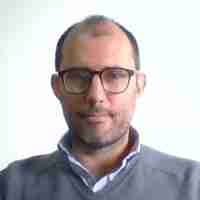
Energy and Planning Specialist, CNEA
Energy and Planning Specialist, CNEA
An industrial engineer from the National University of Salta with specialisations in nuclear and natural gas technology, a master's degree in public policy, and a diploma in energy planning and regional integration. His professional career has always been linked to the energy sector, working for organisations such as TECPETROL and the National Atomic Energy Commission. He served as National Director of Energy Scenarios at the Secretariat of Energy from 2021 to 2024. Since 2015, he has collaborated with various institutions on energy planning. He is currently an energy analyst at the CNEA and participates in academic and research activities. He contributed to the energy chapter of Argentina's "Land for All" report.
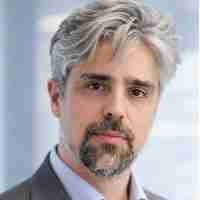
Modeller, Millennium Institute and UNEP
Modeller, Millennium Institute and UNEP
Igor Oliveira is a systems modeller whose work focuses on how policy, innovation, and sustainability transitions shape long-term economic and investment outcomes. His experience includes model-based analysis for the European Commission, scenario work with Millennium Institute and UNEP, early stage innovation investing, and earlier ESG integration and investor reporting in Brazil’s asset-management sector. He holds a European Master in System Dynamics.
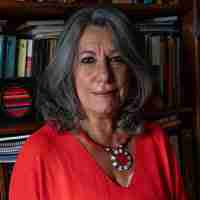
Consultant specialising in gender-focused planning, FLACSO Argentina and Fundación Alimentaris
Consultant specialising in gender-focused planning, FLACSO Argentina and Fundación Alimentaris
A sociologist with a Master's degree in Gender, Society, and Politics (FLACSO-PRIGEPP), she is an expert in the design, management, and evaluation of social programs and projects with a gender focus. She teaches in the Master's program in Gender, Society, and Politics at FLACSO Argentina and is a member of the institution's Gender Area team. She advises the Alimentaris Foundation and is a member of the Board of Directors of the Democratic Change Foundation. She has provided consulting, training, and technical assistance in Argentina and other Latin American countries for international organizations, including the Inter-American Development Bank (IDB), UNICEF, the United Nations Development Programme (UNDP), the World Bank, the Food and Agriculture Organization (FAO), and the European Union.
PhD in Anthropological Sciences, ISCO-UNLA
PhD in Anthropological Sciences, ISCO-UNLA
PhD in Anthropology from the University of Buenos Aires. Specialist in Food Science. Currently a Professor and Researcher at the Institute of Collective Health of the National University of Lanús. Postgraduate Professor at 8 Universities. She has been a consultant for FAO-UNICEF and PAHO-WHO. She represented Argentina at FAO and MERCOSUR. She is a member of the Observatory of the Right to Food of the Human Rights System of Latin America and the Caribbean. For 30 years, she worked in the Nutrition Department of the Ministry of Health. She has published 40 articles in scientific journals. She has written 15 book chapters and 4 books of her own.
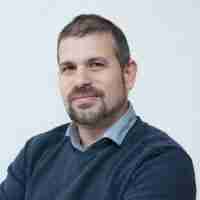
Researcher, Social Debt Observatory (UCA)
Researcher, Social Debt Observatory (UCA)
Juan holds a bachelor’s degree in sociology and a master’s degree in social sciences of work. He teaches at both the undergraduate and graduate levels. He is a researcher at the Argentine Social Debt Observatory, specializing in issues related to labor, living conditions, and social inequality. He also serves as the coordinator of the poblaciones.org platform.
Radio and television editor and host,
Radio and television editor and host,
Sergio specializes in communication and sustainability. For 19 years, he hosted TN Ecología, the longest-running program dedicated to environmental issues in Latin America. He is currently the editor-in-chief for environment and sustainability at Buenos Aires Public Radio and a speaker for “Experiencia Despierta” at various venues across the country. He promotes Transition Journalism as a way to address the challenges of the new global paradigm. He is a professor at CELAP, the Latin American Center for Journalists based in Panama, and a member of the Advisory Board of the Environment and Natural Resources Foundation (FARN). With the program Efecto Mariposa, he won the Martín Fierro Award for Cable Television in the Best Public Service Program category.
April
11:30Keynote
Rector, University for International Cooperation
Rector, University for International Cooperation
April
12:30April
14:00Debate on agroecological and territorial management approaches that allow the transformation of production systems towards regenerative models capable of restoring soils, biodiversity and rural economies.
Moderator: Alejandro Jurado
Co-founder, Director of Innovation, Camina Consultores, Global Initiative for Regenerative Tourism
Co-founder, Director of Innovation, Camina Consultores, Global Initiative for Regenerative Tourism
Facilitator, Consultant, and Instructor with 20 years of experience, specialising in Strategic Design, Planning, Management, Development, and Innovation in Sustainable Tourism. He has worked on Collaborative Strategic Destination Design and Planning, Territorial Innovation Agendas, and collaborative training for Sustainable Tourism business clusters. He has also co-created projects, networks, and associations for Sustainable Rural Tourism, and has worked on Innovation and Technology Transfer projects, and since 2012, on Regenerative Tourism. He has provided consulting services for the design of teacher training programs at universities such as PUC, UCI, and UNSAM, and for regenerative strategic development in leading ecolodges in Latin America and Europe. He has worked in internationally renowned destinations such as Easter Island, San Pedro de Atacama, Torres del Paine, Argentina, Mexico, Costa Rica, and Bizkaia, Spain, among others.
Dra., Multidisciplinary Institute of Plant Biology (IMBiV), CONICET-National University of Córdoba
Dra., Multidisciplinary Institute of Plant Biology (IMBiV), CONICET-National University of Córdoba
Andrea E. Izquierdo is a researcher at the Multidisciplinary Institute of Plant Biology (IMBIV), CONICET, and the National University of Córdoba, Argentina. She leads a transdisciplinary research project focused on the socioecology of the Argentine Puna. Currently, her research centers on the environmental and social impacts of anthropogenic pressures such as climate change and lithium mining, with an emphasis on incorporating the knowledge of local communities into decision-making and promoting a just energy transition.
Principal Investigator at CONICET and Director of the Institute of Research on Natural Resources, Agroecology and Development (UNRN), CONICET - Universidad Nacional de Río Negro
Principal Investigator at CONICET and Director of the Institute of Research on Natural Resources, Agroecology and Development (UNRN), CONICET - Universidad Nacional de Río Negro
During my adolescence, I discovered the world of bees through beekeeping. Later, I studied agronomy, focusing on applied science, and in recent years, I have also become a technology entrepreneur. I am motivated by expanding knowledge to contribute to the well-being of people and the conservation of the environment that sustains them. With a strong commitment to training new professionals and developing skills, I have participated in the creation of research institutes and technology-based companies. I coordinate large and diverse teams in different parts of the world to address complex problems through dialogue between disciplines and knowledge, guided by principles of equity, pluralism, respect, and the recognition of the interdependence between nature and society. A central part of my work involves strengthening the connection between science and action, science and policy, as well as promoting rigorous and accessible public communication of knowledge. I was born on May 21, 1981, and live with my family (Ayelén and our children Luz, Juan, Ana, and Pedro) in Argentine Patagonia. There, we manage a conservation and sustainable production project using native plants on 220 hectares. I practice Tibetan Buddhism, a philosophy that inspires and guides both my personal and professional life.
CEO, Ruuts
CEO, Ruuts
Pablo holds a degree in Economics and is the Co-Founder and CEO of Ruuts. He has spent over a decade developing impactful business models to scale regenerative livestock farming in the region.
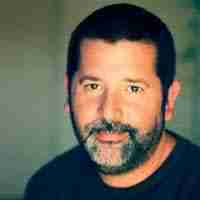
Executive Director, La Ciudad Posible
Executive Director, La Ciudad Posible
Urban Ecologist, Master in Territorial Development (UPC, Spain). Co-founder of La Ciudad Posible Latam. Advisor to the Habitat and Development Foundation.
April
15:00Debate on agroecological and territorial management approaches that allow the transformation of production systems towards regenerative models capable of restoring soils, biodiversity and rural economies.
Moderator: Pablo Benavides
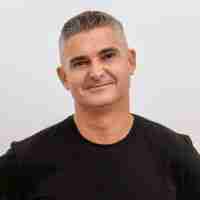
CEO, ReForest Latam
CEO, ReForest Latam
Damián Rivadeneira is an entrepreneur and CEO of ReForest Latam. I work at the intersection of nature, technology, and biotechnology to scale ecosystem restoration and transform environmental regeneration into a concrete solution to climate change. My focus is on building a triple-impact company capable of leaving a healthier planet for future generations.
Director of regeneration programs, La Ciudad Posible / Club de Roma
Director of regeneration programs, La Ciudad Posible / Club de Roma
Coordinator of territorial regeneration projects, programs, and initiatives. Holds a degree in tourism, specializing in territorial development and regenerative tourism.
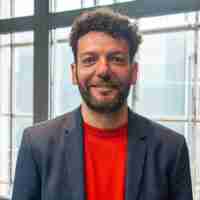
Founder & GP, Antom
Founder & GP, Antom
He is the founder and Managing Partner of Antom, an investment and venture-building platform focused on climatech, agtech, and regeneration in Latin America. He leads investments in startups driving the transition toward biodiversity-based production systems. He is a co-organizer of Climatech Argentina and co-author of the Pulso newsletter, one of the region’s leading platforms for climate innovation. Previously, he was an entrepreneur in fintech and blockchain and taught at ORT.
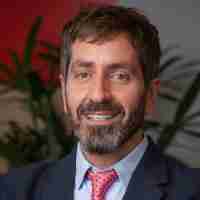
Impact Catalyst, 3Vectores
Impact Catalyst, 3Vectores
Pablo is an Impact Catalyst who offers a combination of skills that encompass those of a consultant, strategist, communicator, facilitator, and, above all, a "thinking partner." He is always driven by his desire to accelerate the transition to a sustainable and regenerative culture. He is also Content Curator for Sustainable Brands Latam and Business Partner at 3Vectores, a consultancy specializing in new economies, design thinking, and the circular economy. He has extensive experience in branding and communication. Pablo holds a degree in Advertising from UCES and a postgraduate specialization in Environmental Economics and Sustainable Development from UCA.
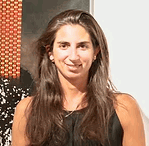
Director, Pablo Cassará Foundation
Director, Pablo Cassará Foundation
I am a biologist with a strong scientific background and a personal development focused on research that transforms realities. My career has been built at the intersection of laboratory work and management, seeking to develop high-quality scientific research projects guided by a strong social commitment. As an active member of the Pablo Cassará Foundation, I have had the privilege of training with leading figures from diverse disciplines, which has allowed me to develop a 360° view of project management. I want to contribute my efforts to the development of innovative and adapted approaches with the goal of translating this knowledge into action. I believe that research, creativity, and the will to move forward will allow us to find real solutions to concrete problems. My professional experience as Director and Senior Researcher at the Pablo Cassará Foundation focuses on Impactful Innovation Management, with the ability to manage funds, multidisciplinary teams, and processes, ensuring that each biotechnological development meets the necessary standards for its practical application. Education: Bachelor of Science in Biological Sciences - University of Buenos Aires (1999-2002)
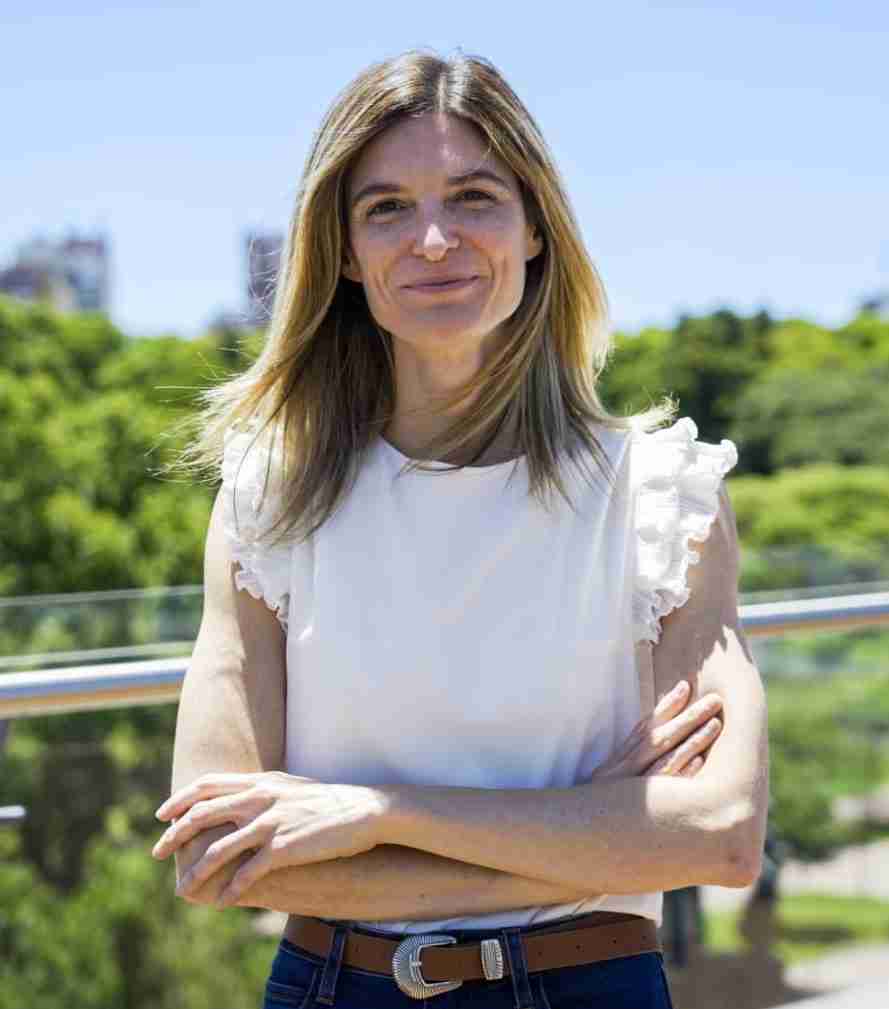
Deputy Secretary of the Environment for the Autonomous City of Buenos Aires, GCBA
Deputy Secretary of the Environment for the Autonomous City of Buenos Aires, GCBA
The Deputy Secretary of the Environment for the Autonomous City of Buenos Aires, in partnership with the Cassará Foundation and the Club of Rome, is promoting the implementation of Native Microforests, an initiative that uses the Miyawaki method to create dense, biodiverse ecosystems in small areas.
April
16:00April
16:15Analysing the role of the business and financial sector in the transition to regenerative economies, exploring how investments, business models and corporate innovation can accelerate systemic transformations.
Moderator: Eugenia Concina
Director, Sumatoria Civil Association for a New Economy
Director, Sumatoria Civil Association for a New Economy
Entrepreneur and Impact Investor | Specialist in Finance and Sustainable Innovation. Founder and CEO of Sumatoria. Founding Partner at Beta Impacto VC. Sumatoria is an organization that develops impact investment vehicles to facilitate access to financing for triple-impact ventures and productive units within the social and grassroots economy. He teaches impact investing, impact finance, and the social and grassroots economy at Austral University (Diploma in Circular Economy), PINE (Diploma in New Economies 2023), among other institutions. From 2015 to 2019, he served as Secretary of Social Economy at the Ministry of Social Development of Argentina. He was Director of Ashoka Argentina, Uruguay, and Paraguay from 2013 to 2015, a global organisation that promotes entrepreneurial culture and social innovation. He led the Sistema B organization during 2015. As an entrepreneur, Matías co-founded and led Solutions Logistics for eight years, a company specializing in foreign trade, logistics, and international transportation. He also co-founded the Nuestras Huellas Civil Association and ENI (Inclusive Business Space at Di Tella University); all initiatives that address issues such as financial inclusion, the new economy, social development, and social finance.
Co-Founder, Zafrán
Co-Founder, Zafrán
Co-founder of Zafrán. Industrial Engineer (UBA), ontological coach.
Director of Prosperity, Alimentaris Foundation
Director of Prosperity, Alimentaris Foundation
Eugenia holds a bachelor's degree in International Relations, a postgraduate degree in International Business, and a certification in Sustainable Finance.
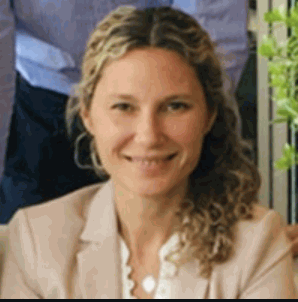
Leader of Environmental Strategy and Sustainable Development, Banco Galicia
Leader of Environmental Strategy and Sustainable Development, Banco Galicia
Environmental Strategy and Sustainable Development Leader for the Sustainability Department at Banco Galicia. Responsible for the development and implementation of the Environmental Strategy, leads the Bank's Impact Financing strategy and ESG strategy, and prepares the Integrated Report for Grupo Financiero Galicia.
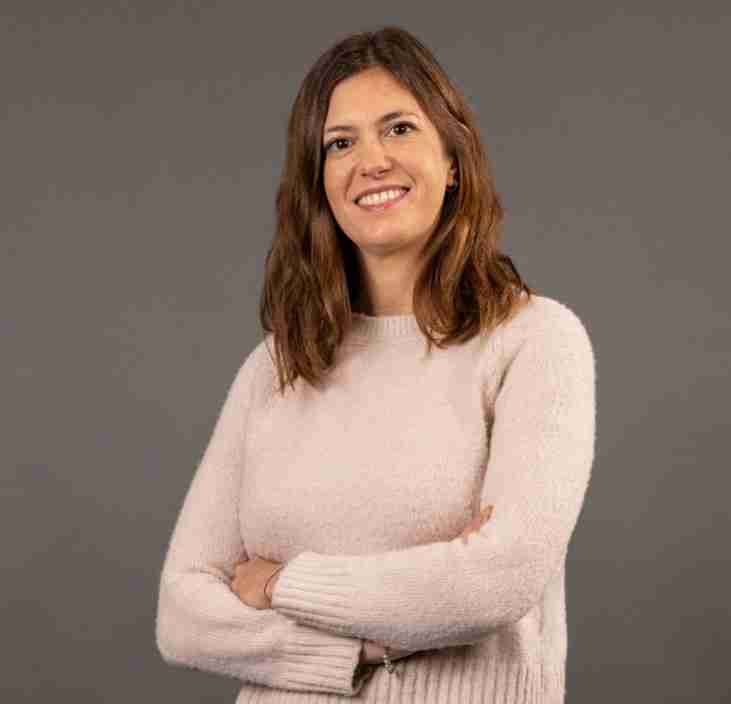
Head of Sustainability, Cervecería y Maltería Quilmes
Head of Sustainability, Cervecería y Maltería Quilmes
She currently serves as Head of Sustainability at Cervecería y Maltería Quilmes. She leads initiatives related to the circular economy, carbon neutrality, and strengthening the value chain, including partnerships with small and medium-sized enterprises (SMEs) and regional economies.
April
17:15Exploring how international cooperation, public-private partnerships, and innovation networks can scale regenerative solutions from local experiences to regional transformations.
Moderator: Javier Vazquez

Corporate Director of Sustainability, ISA Group
Corporate Director of Sustainability, ISA Group
I am the mother of Eloísa and Juan Pedro, and I am driven by a passion for contributing to building a better planet and a better society. I am an economist, hold an International MBA from IE Business School, and am a Project Management Specialist with over 20 years of experience in the energy, road infrastructure, and financial sectors, specializing in sustainability, strategy, human resources, M&A, and corporate affairs. Currently, I lead a purpose-driven team that defines and embodies sustainability as a way of life, as the Corporate Sustainability Director for ISA in Latin America. I champion ESG initiatives, the Conexión Desarrollo social management model, and the Conexión Jaguar Program.
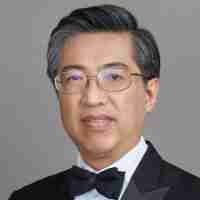
CEO, Tang Prize Foundation
CEO, Tang Prize Foundation
Dr. Jenn-Chuan Chern is the CEO of the Tang Prize Foundation. He is Professor Emeritus and former Lifetime Distinguished Professor of Civil Engineering at National Taiwan University. Dr. Chern received his Ph.D. in civil engineering from Northwestern University in 1984. He is a Fellow of American Concrete Institute (ACI) and was awarded the organization’s highest honor as an honorary member in 2024. Dr. Chern is Vice President and academician of the International Academy of Engineering (IAE) and foreign academician of the Russia Academy of Engineering (RAE). He is the full member of Distinguished Club of Rome in 2025. Dr. Chern has served in several important roles in the cabinet of the Executive Yuan of the Republic of China, Taiwan, such as Minister without Portfolio and Minister of Public Construction Commission. Dr. Chern has assumed the roles of the deputy CEO and the CEO for the Morakot Post-Disaster Reconstruction Council of Cabinet from 2009 to 2014. Typhoon Morakot struck Taiwan on Aug. 8, 2009, bringing torrential rainfall that triggered flooding and landslides across central and southern Taiwan. Dr. Chern became an expert in hazard mitigation and post-disaster reconstruction in Taiwan. Dr. Chern is the recipient of many awards, including the Significant Contribution to 921 Chi-Chi Earthquake Reconstruction Award from the 921 Post-Disaster Recovery Commission of Cabinet: the 921 Earthquake New Campus Movement Contribution Award from the Ministry of Education. In 2008, he received the International Contribution Award from the Japan Society of Civil Engineers (JSCE). Dr. Chern also received the ACECC Civil Engineering Achievement Award from Asian Civil Engineering Coordinating Council (ACECC) in 2010 for his lifetime devotion and contributions to the world. In 2015, he received the Engineering Medal, the highest honor, from the Chinese Institute of Engineers (Taiwan).
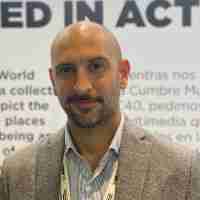
Consultant, Club de Roma Argentina
Consultant, Club de Roma Argentina
Sociologist. Environmentalist. Specialist in Sustainable Urban Development.
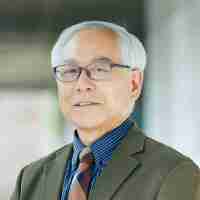
Distinguished Professor, Chubu University
Distinguished Professor, Chubu University
Yoshitsugu Hayashi has been elected as Executive Committee member among 150 Full members of The Club of Rome. The club has been well-known for its world-wide influencial activities including 1972 report “The Limits to Growth” https://www.clubofrome.org/members/. He is immediate past President of WCTRS (World Conference on Transport Research Society) (2013-2019), an organization registered under Swiss Law, which gathers more than 1,000 members from over 70 countries . He has been Visiting Professors at Institute for Transport Studies, Leeds University and Institute of Spatial Planning, University of Dortmund. He has been an international research leader in transport – land use interactions, and their impacts on climate change, disaster redilience and value capture from land market, and also socio-economic impacts of COVID-19 Pandemic. The current research focuses on Infrastructure impact assessment method evaluating individual’ s QOL(Quality of Life). It is measured by the person’s attributes (age, gender, income, etc.) and by the living place providing its unique accessibility to hospitals & shops, amenity, safety & security and environment. This has been applied to assure smart plannings for growing and shrinking/aging cities resilient and sustainable. He has been a game changer for transport sustainability by showing simulations results. Typical examples of his research applications include 1) Bangkok urban railway development extending 300 km network within only 25 years, 2) Japanese Maglev high speed rail (to be operated connecting Tokyo and Osaka by 60 mintues at 550km/hr), 3) Indian high-speed rail (for a 500 km long corridor between Mumbai and Ahmedabad under construction), etc. Without these projects, people would intensively use road and air transport to consequently emit enormous CO2, PM2.5 pollutant, etc.
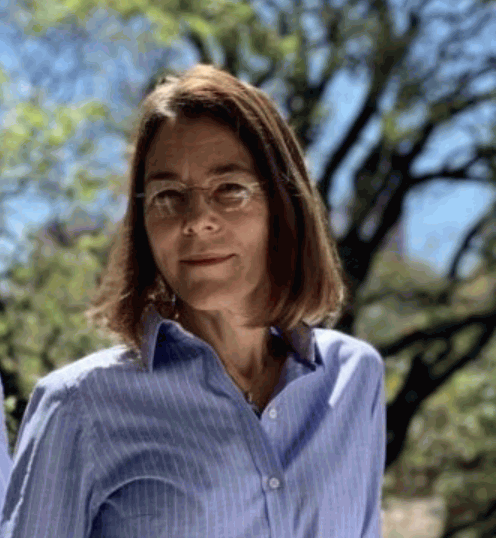
President, Alimentaris Foundation
President, Alimentaris Foundation
Karina Bentivoglio has a degree in Nutrition and is the founder of Fundación Alimentaris, an organisation she has presided over for more than 14 years.
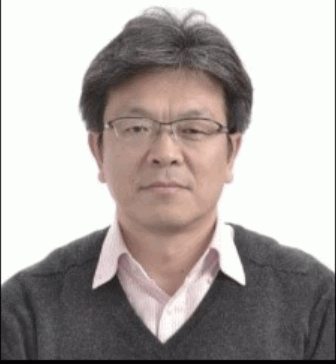
Chair Professor, School of Transportation, Southeast University, China
Chair Professor, School of Transportation, Southeast University, China
ZHANG Junyi promotes transportation-centered transdisciplinary research for smart development (international collaboration, nature-friendly, resource integration, human-centered development, etc.). In the context of the research and practice of built environment and smart technologies, he studies the relationship between transportation and smart development from multiple spatial scales (community, city, regional, international, etc.), aiming to derive the wisdom of transportation that contributes to the construction of China's transportation powerhouse and the world's development. Focusing on future cities and transportation systems, his concrete research topics include, but are not limited to, smart mobility, multi-network integration of transportation and energy systems, integration of comprehensive transportation system and the built environment, and health/medical-engineering integration.
April
18:15The conference concludes by proposing regional strategic commitments to boost the regenerative action of the Club of Rome Latin America during the period 2026–2030.
April
18:45
Co President, The Club of Rome
Co President, The Club of Rome
Silvia Zimmermann del Castillo is an Argentinean writer, philosopher and international lecturer. She was a disciple and collaborator of the Argentine writer Jorge Luis Borges with whom she studied ancient Anglo-Saxon and Icelandic literatures. She studied Social and Cultural Anthropology at the École Pratiques des Hautes Études, La Sorbonne, Paris and Philosophy at the University of Buenos Aires.
Currently, she is a columnist for the newspaper La Nación, writing for the Opinion and Cultural Supplement sections. She co-directed the Watershed Conference on Water at the Vatican in 2017. She coordinates “Dialogues in Paradise“ at the Mokichi Okada Art Museum, Japan: face-to-face meetings between personalities of culture, art and science from various countries of the East and West to discuss art issues, culture and society.She is the International Director of the Mokichi Okada Chair on Beauty at the University of Bologna, Italy, andthe founder and current President of the Argentinean Chapter of the Club of Rome.
In 1983, she was selected as an outstanding woman of the national history by the Dictionary of Argentinean Women. She has been distinguished as Ambassador of Peace, by the International Foundation Thousand Millennia of Peace.
Secretary General, The Club of Rome
Secretary General, The Club of Rome
Carlos Alvarez-Pereira promotes research and action for a paradigm shift towards wellbeing in harmony with the biosphere. Upon a background in systems dynamics and complexity theory, he explores the reframing of science, technology and digitalization to address the existential challenges of humanity.
His professional experience spans 25 years as entrepreneur in IT consulting in Spain, Switzerland, France, and Germany. He has been a lecturer and researcher in Applied Mathematics at the Polytechnic University of Madrid (UPM). He created in 2006 the Innaxis Foundation to promote interdisciplinary research in complex systems. Carlos is Secretary General to the Club of Rome International and of its Spanish Chapter. He has also served two terms as Vice-President of the Spanish Fulbright Alumni Association.
Travel and Logistics
****
📍 Bernardo de Irigoyen 740, Buenos Aires
💵 Average rate: USD 80–130 per night.
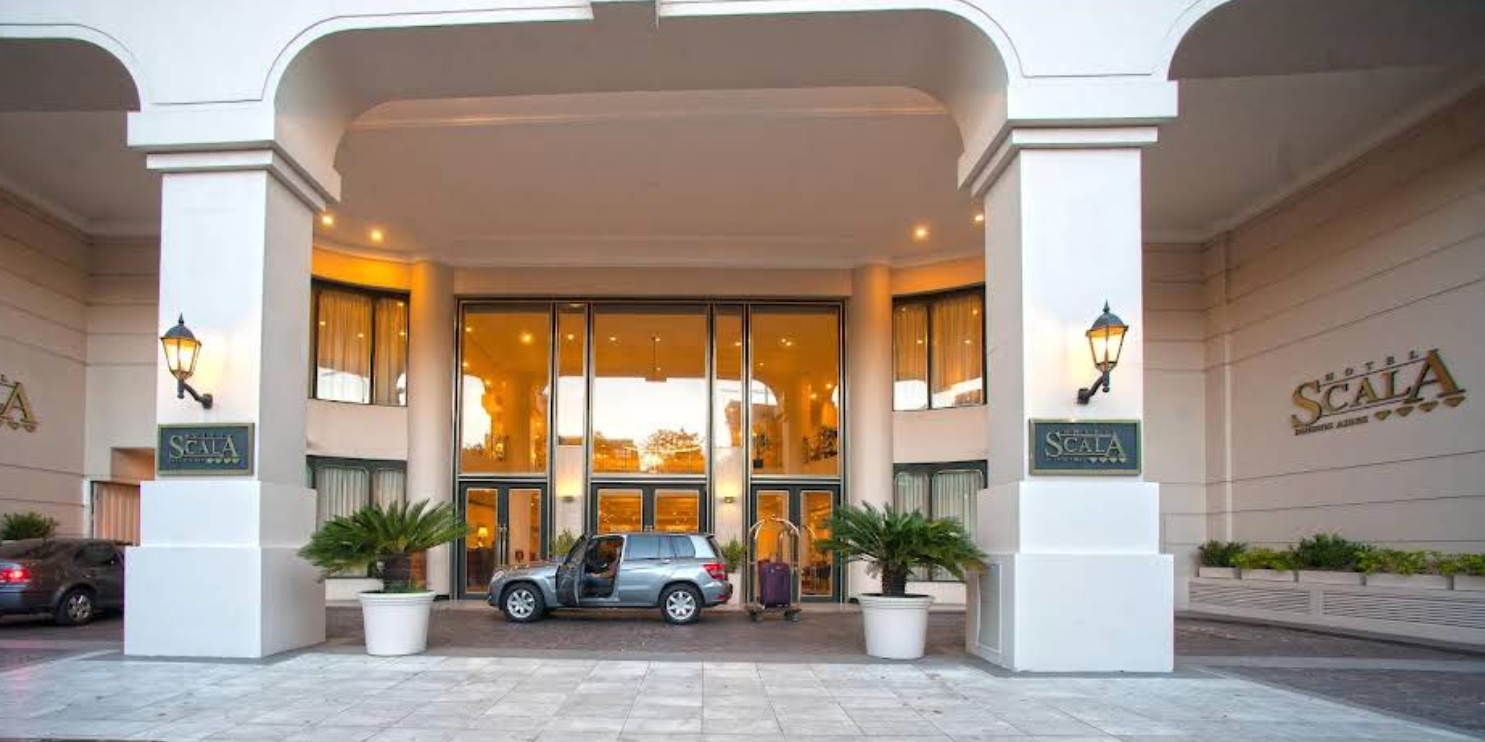
****
📍 Av. Paseo Colón 455, Buenos Aire
💵 Average rate: USD 90–140 per night.
kerhoteles.com.ar

*****
📍809 Moreno St, C1091AAQ Cdad. Autónoma de Buenos Aires, Argentina
💵 Average Rate: USD 206 – 267 per night

Uber, Cabify, and DiDi being the primary ride share apps
Manuel Tienda León: The most traditional company.
Phone: 0810-888-5366 / (+54 11) 4314-3636
WhatsApp: +54 9 11 5450-9599
https://www.tiendaleonmdq.com/
On Baires Transfer:
Phone: (+54 11) 2863-7161 / (+54 11) 5480-1215
https://onbaires.com/en/
Official Taxis It is recommended to hire the service at the internal counters and not directly from a driver on the street.
Taxi Ezeiza (Official): They have an exclusive stand that is very visible upon exiting customs. The cars are white and blue.
Phone: (+54 11) 5480-0066
Buenos Aires City Taxis: Black and yellow taxis. There is a totem at the airport to scan a QR code and check the estimated fare before getting in.
Phone: (+54 11) 4320-0706
Find answers to common questions about our virtual event platform, registration process, Argentina and more.
Police – 101; Ambulance – 107; Fire – 100; Civil defense 103
Store your hotel address and number on your phone
Yes, this event is completely free to attend but requires registration. Please fill in the registration form to gain access to details for the in-person event.
Yes, you’ll need to fill out our registration form to gain access to the event. Please fill in the registration form with some basic information to get started.
Yes, participation via Zoom is possible. Please register for online participation here.
The information you provide upon registration will only be used to establish you as a user on the platform and to create your login credentials. It will not be used for any other purposes.
Yes, this conference platform is compatible with any computer or mobile device and any browser.
Cassa Lepage Art Hotel,
Bolívar 373, C1066 Cdad. Autónoma de Buenos Aires, Argentina
+54 11 6672-9000
Please check here if you need a visa to visit Argentina:
We will issue letters of invitation based on your application form information and uploaded passport.
Buenos Aires is primarily served by two main international airports: Ministro Pistarini International Airport (EZE) (Ezeiza) for long-haul international flights, located ~32 km from the city, and Jorge Newbery Airport (AEP) (Aeroparque), located centrally in Palermo, handling domestic and regional flights. A third, smaller option is El Palomar Airport (EPA), which handles limited flights.
Important Safety Tips:
Ignore "Solicitors": Upon exiting into the main hall, you will see people insistently offering "taxi or transportation." Do not accept these services. Go only to the counters with official logos.
Pay at the Counter: Whenever possible, pay for the trip at the stand (by card or cash) and make sure to receive a ticket or receipt with the assigned vehicle number.
Fixed Rate vs. Meter: Remises (Tienda León, On Baires, etc.) have fixed rates. City taxis may use a meter or a pre-set fare from the airport system. Always ask before getting in.
Apps (Uber/Cabify): They work in Buenos Aires, but they usually have specific meeting points at the airport (normally in the parking lots), and sometimes there are conflicts with official taxis. If you decide to use them, always verify the license plate and the driver's identity within the app.
For any claims or assistance, you can contact the airport's toll-free line:
0800-666-7979
The main, central railway complex in Buenos Aires is Retiro Station (Estación Retiro), located in the Retiro neighbourhood. It serves as the primary hub for long-distance trains (to Córdoba, Rosario, Tucumán) and three major commuter lines (Mitre, San Martín, Belgrano). It is highly accessible via the Retiro subway station and nearby bus terminals.
Other Major Stations in Buenos Aires:
Constitución Station (Estación Plaza Constitución): The largest station in Argentina by traffic, handling the busy Roca Line to the southern suburbs and long-distance trains to Mar del Plata.
Once Station (Estación Once de Septiembre): Serves the Sarmiento Line, providing commuter service to the western part of Greater Buenos Aires.
Buenos Aires uses a voltage of 220 V, a frequency of 50 Hz, and mainly type I plugs (three flat V-shaped prongs), although there are also some type C plugs (two round prongs). A type I adapter is essential for most foreign devices. Devices rated at 110-120 V (such as those from the US) require voltage converters.
There will be wifi access at the conference venue.
SIM card/Cell phone service
When travelling, you need to stay connected. Roaming charges can be expensive, and a local SIM card can save you. E-SIMs are to be loaded before you leave your country for activation on arrival. If you would prefer a pocket wifi or SIM, we recommend you hire/purchase from a cellular network store at the airport on arrival. Most will deliver to your hotel on pre-order.
Buenos Aires has a humid subtropical climate. April being late autumn is characterised by changeable weather conditions. Cold air from the south can bring cooler temperatures while hot humid air from the north brings warmer temperatures. Average temperatures for April are
Highs 23.20C (73.8)F Lows 14.10C (57.4)F
Can't find what you're looking for?